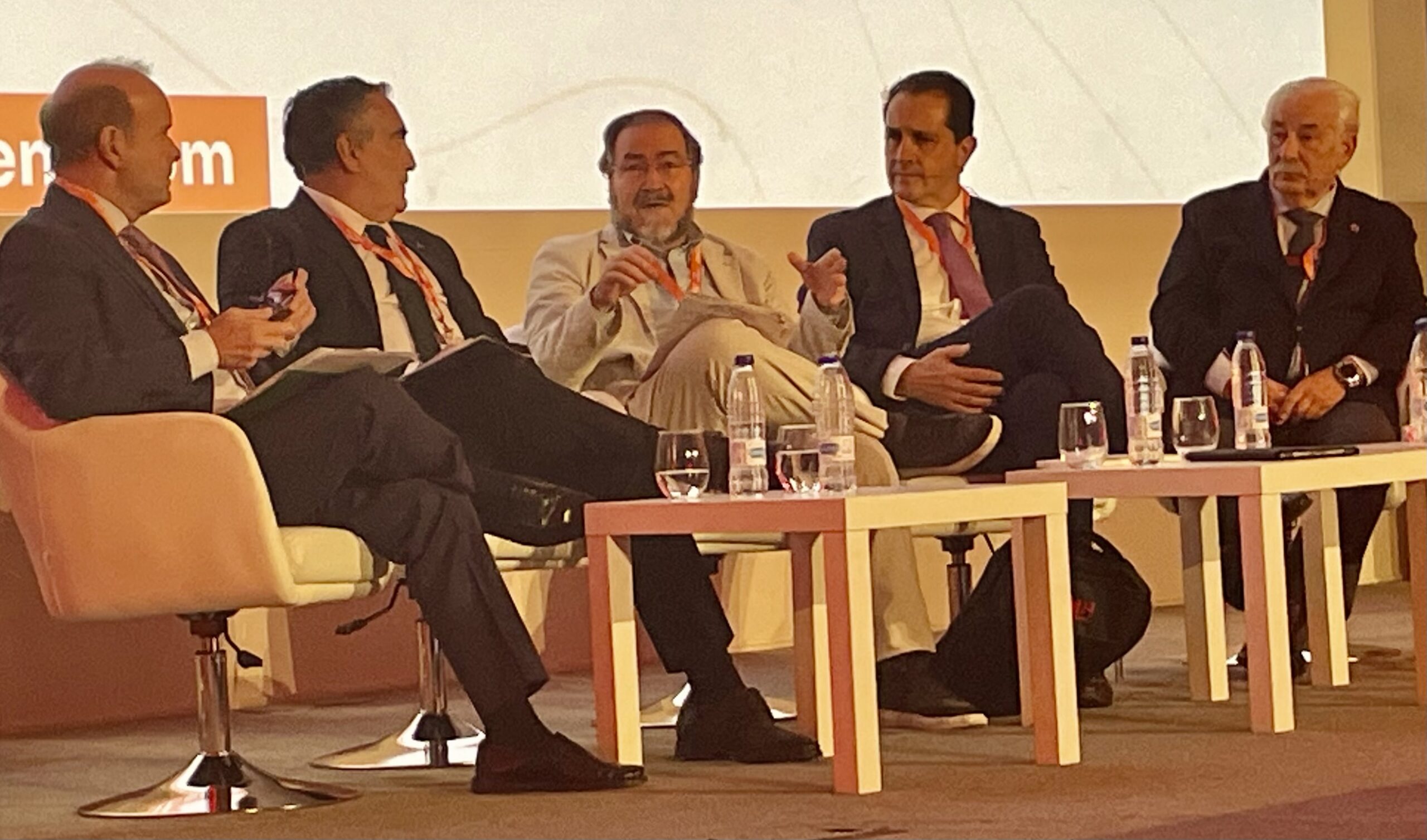
Uncertain permitting schedules are making it harder for Spanish mine developers to secure financing and plan expenditure, The Northern Miner reported from the Mining and Minerals Hall conference in Seville. Speakers said projects need credible development timetables to align investment, equipment purchases and recruitment, while maintaining exploration work and building support among neighbouring communities.
Touro, the proposed copper mine in Galicia owned by Cobre San Rafael, illustrates those difficulties. A 2018 prefeasibility study outlined production of roughly 30,000 tonnes a year over a 12-year operating life, according to The Northern Miner. Atalaya Mining owns 10% of Cobre San Rafael and can raise its holding to 80% as development milestones are reached. The project remains in permitting despite Galicia granting it strategic industrial status in June 2024, intended to streamline procedures and reduce approval times.
Fernando Díaz Riopa, Touro’s general manager, said developers needed to work with authorities on realistic schedules, noting that some equipment requires a year for manufacture and installation. Atalaya is already running a water treatment plant to tackle acid runoff from the historical mine. It advanced that work before a new environmental impact assessment to demonstrate the potential of modern treatment systems to address past damage. Díaz Riopa also described a social plan and engagement with local mayors intended to ensure residents share in the project’s benefits and decisions.
Community confidence was another central concern. Juan Ignacio Artieda González Granda, representing Spain’s mining engineers’ council, proposed replacing the basis of the surface-area mining levy with payments more closely linked to the value of extracted minerals, directing revenue to surrounding communities. He also advocated independent assessments by qualified technical professionals to strengthen authorities’ confidence in applications and help speed approvals. Andalusian mines director general Jesús Portillo García-Pintos cited Aznalcóllar, where responsibility for historical environmental liabilities was a condition of granting mining rights.
Explorers face a related funding challenge when delays disrupt fieldwork. Pan Global Resources’ Spain general manager, Juan García Valledor, said exploration-only companies require continuing finance and sustained spending that meets investor expectations. He urged the release of inactive mining rights for new exploration. The Northern Miner reported that Andalusia is seeking investors through faster approvals and access to hundreds of areas with expired rights. Manuel Regueiro y González-Barros of Spain’s scientific research council, CSIC, meanwhile warned that insufficient technical personnel could constrain new mining jobs.