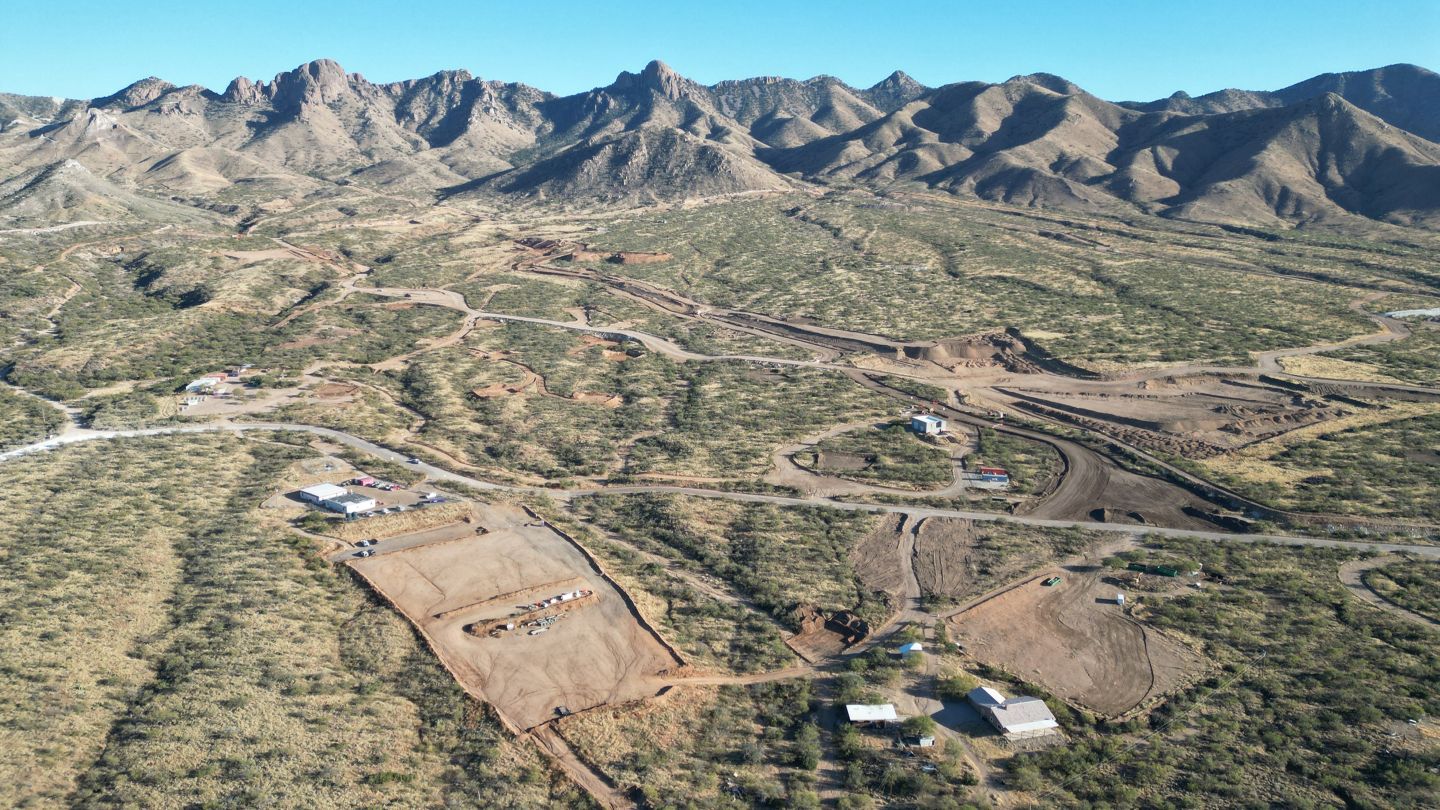
Mitsubishi has approved development and construction of the Copper World copper project in Arizona, committing a further $423m in equity for its first phase following a final investment decision, Mining Technology reported. The Japanese company owns 30% of the venture, while Canadian partner Hudbay Minerals holds the remaining 70%.
The new funding comes on top of Mitsubishi’s earlier commitments of $420m for its ownership stake and $180m towards future development expenditure. Mining Technology put the company’s projected cumulative investment at $1.02bn, against total initial project capital requirements of $2.07bn. The latest contribution is designated for the project’s initial phase.
Copper World lies about 50km from Tucson and has secured the major permits needed for initial development and operations, according to the report. First copper production is expected in the second half of 2029. Planned output averages roughly 100,000 tonnes a year across an initial 15-year mine life. A further 25 years could be added if neighbouring federal lands are developed, although that would require additional permitting.
The operation is designed as an open-pit mine producing copper concentrate, alongside gold, silver and molybdenum by-products. Mining Technology reported mineral reserves of approximately two million tonnes of copper equivalent and resources of around five million tonnes of copper equivalent. Estimated operating cash costs average $1.70 per pound of copper over the mine’s life.
Both the Japanese and US governments regard Copper World as strategically important to the resilience of critical minerals supply chains, the outlet reported. Later development phases could include a leaching facility capable of producing copper cathodes in the US, though that facility remains a potential addition rather than part of the stated initial production plan.
For Mitsubishi, the project forms part of a planned increase in attributable copper production. The company aims to lift that output from 330,000 tonnes a year to more than 400,000 tonnes a year from fiscal 2030.